


Thank you for Subscribing to Med Tech Business Review Weekly Brief

Memorial Healthcare System
Dr. Haniff Murray, Clinical Engineer/Alternate Manager/Researcher
A Synopsis of Clinical Engineering/ Biomedical Engineering
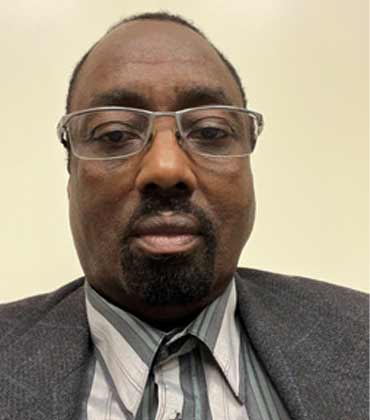
Dr. Haniff Murray
From an early recognition as Biomedical Equipment fixers, Clinical Engineers (CE) or Biomedical Engineers (BE) migrated into all fields involved in medical equipment maintenance, repairs, administration, monitoring, and innovations to ensure patient safety for users of medical equipment. An essential asset to any company, CEs remove or reduce the need for many costly repairs and services from Vendors and Manufacturers, utilizing their skills and knowledge in troubleshooting, repairs, and management of medical equipment. Not to escape the significance and precarious nature of their work, for example, a malfunction of an anesthesia machine or electrosurgical unit in the operating room during a procedure imperatively requires the skills and expertise of the CE to immediately resolve those concerns/ issues beyond those of the medical staff. Additionally, CEs hold responsibility for patient safety, mitigating potential risk and costly errors through proper scheduled maintenance of all medical equipment in all modalities, including X-rays, MRI, CT, Ultrasound, Obgyn, Pediatric, Respiratory (ventilators), IR, Networking, Telemonitoring, Laboratories, and others.
With an earlier career of nine years as a Public Health Inspector, the desire to design medical devices became more interesting and imperative. Starting at ITT Technical through Broward Community College, the opportunity for a career in Biomedical and Electrical Engineering found fulfillment with a bachelor’s degree at Florida International University. An opportunity to transfer knowledge and offer my skills and innovation began with employment at the Memorial Healthcare System (MHS). With such innovative spirit, in 2008, I developed an intranet Biomedical Website to serve Clinical Engineers and the medical staff throughout the MHS, providing device information, in-service training, troubleshooting tips, and links to other healthcare organizations (AAMI, Joint Commission, OSHA). Many changes occurred within the CE departments with the introduction of the website, and my general knowledge, pioneering, and technical skills, especially in troubleshooting, repairs, management, and the provision of educational materials for the clinical/medical staff, provided value to the healthcare system. The intranet website remained an asset to the MHS. My continued penchant and aptitude for knowledge propelled the completion of the MBA program with a concentration in Project Management. Later, in 2019, I completed the PhD in Healthcare Business Administration supported by MHS partial tuition reimbursement. Interestingly, the dissertation concentrated on the Clinical Engineering Department throughout the USA, with the phenomenological study obtaining responses from respondents from Hawaii and Alaska.With an earlier career of nine years as a Public Health Inspector, the desire to design medical devices became more interesting and imperative
The articles from these contributors are based on their personal expertise and viewpoints, and do not necessarily reflect the opinions of their employers or affiliated organizations.
